Discover Mankulam — Kerala's Hidden Forest Village in Idukki
Offbeat Kerala Destination

Mankulam —
where Kerala breathes

A small village in Idukki surrounded by reserve forest, cardamom plantations, and the cold waters of the Periyar river. Still quiet. Still real. Still exactly what most of Kerala used to be.

📍Idukki, Kerala
⛰️700 – 900m Elevation
🌿Reserve Forest
🌡️15 – 28°C Year Round
Scroll
Discover Mankulam

A Kerala village most Kerala tourists haven't found yet

Mankulam is not famous. That is not a flaw — it is the entire point.

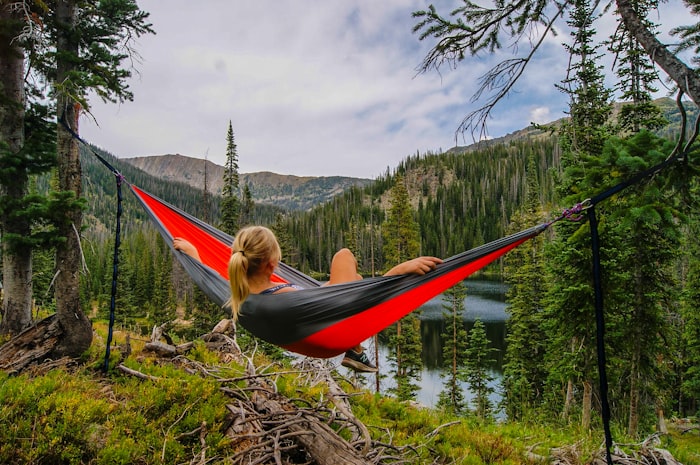
Tucked inside Idukki district, where the road thins and the forest thickens, Mankulam sits at the edge of a reserve that connects to the larger Periyar ecosystem. It is a place where cardamom grows in the shade of old trees, where the river runs cold and clear through the valley, and where the people who live here have been farming, foraging, and harvesting the same land for generations.

There are no famous viewpoints with queues. No resort strips. No signboards announcing what you are about to experience. What there is — is everything that Kerala tourism has been slowly losing everywhere else.

"Most people visit Kerala. Very few experience it. Mankulam is for the second kind."
Mankulam Kerala forest village
Cardamom plantation Mankulam
📍 Idukki District Location
⛰️ 700 – 900m Elevation
🌡️ 15 – 28°C Temperature
📅 Oct – Feb Best Season
🌿 Reserve Forest Surroundings
🚗 140 km From Kochi
Mankulam location Kerala
Where is Mankulam

Inside Idukki — where the forest begins

Mankulam lies in the eastern part of Idukki district, in the high ranges of Kerala. It sits at an elevation of 700 to 900 metres, within a landscape shaped by the Western Ghats — one of the world's eight biodiversity hotspots.

The town sits at the meeting point of plantation agriculture and reserve forest. To one side, cardamom and tea estates stretch across the hillside. To the other, the forest begins — dense, old, and largely untouched by roads or development.

The Periyar river, which eventually becomes one of Kerala's most important waterways, rises in this region. You can hear it from the village on quiet mornings.

✈️
From Kochi (Cochin Airport)
~140 km · 3.5 to 4 hours via NH 85 through Kothamangalam and Adimali
🚂
From Kottayam Railway Station
~100 km · 3 hours via Erattupetta and Mundakayam
🛣️
From Munnar
~60 km · 2 hours via Adimali — a natural combination trip
🌿
From Thekkady / Kumily
~80 km · 2.5 hours through the Cardamom Hills
Kerala Village Experience

Village life that hasn't been packaged for tourism

Mankulam is not a village that performs its culture for visitors. It is a village that simply lives it. People here wake up early, tend their cardamom, collect honey from the forest, cook from what they grow, and gather around fires when the evening cools.

The tribal communities who have lived inside this forest for centuries are still here. Their knowledge of the forest — which plants, which paths, which seasons — is not in any book. It lives in the people.

Mankulam village life Kerala
Village Life, Mankulam
Local culture Mankulam
Local Community
Cardamom farming Mankulam
Cardamom Country
Forest community Mankulam
Forest Edge Living
🌾
An Farming Community
Mankulam's families have farmed cardamom, pepper, and tea for generations. The land is not a business — it is a way of life passed down through families who know every plant, every season, and every trail on their land.
🏹
Tribal Heritage
Indigenous communities live inside and around the reserve forest. Their relationship with the forest — the honey trees, the animal paths, the medicinal plants — is a knowledge system that has no written form. It exists only in people.
🍳
A Food Culture Built on the Land
Mankulam cooking uses what the land provides. Forest vegetables, river fish, freshly ground spices, and coconut oil pressed locally. It is not a cuisine that has been designed — it is a cuisine that has evolved from what is available.
🔥
The Campfire Tradition
When the forest evening cools, the community gathers. Music played on simple instruments, stories, and the fire — this is how evenings have ended in Mankulam for as long as anyone can remember. It is not a performance. It is a habit.
Mankulam Kerala — Nature

The forest that defines this place

The reserve forest around Mankulam is not a park with fences and numbered trails. It is a living forest — part of the larger Periyar ecosystem — that operates on its own terms. Elephants cross the same paths at the same hours. The river rises and falls with the season. The honey bees build hives in rock faces that have been harvested by the same families for generations.

This is one of the few places in Kerala where the forest has not been managed into something tidy. It is genuinely wild — and that is a rare thing.

🐘
Wildlife Corridor
Part of the Periyar Tiger Reserve ecosystem. Elephants, leopards, Malabar giant squirrel, and hundreds of bird species including many endemic to the Western Ghats.
🌊
Periyar River — Cold and Clear
The river runs through the valley year round. Cold even in summer. Clear enough to drink from in the upper reaches. Forest on both banks for most of its course through Mankulam.
💧
Waterfalls with No Tourist Queues
Perumbankuth Waterfall, 33 Waterfalls, and several unnamed cascades hidden inside the forest. Most have no signs. No railings. No crowds. Just the water and the forest.
🌿
Cardamom Forest — Western Ghats Biodiversity
The Western Ghats is one of the world's eight biodiversity hotspots. Mankulam sits inside it. The forest here is not decorative — it is among the most biodiverse land ecosystems on earth.
8th World Biodiversity Hotspot
Mankulam reserve forest Kerala
Food in Mankulam

Food that comes from what grows here

Mankulam cooking is not a cuisine designed for tourists. It is the food that families here have been making from their own land — using spices they grow, fish from the river, and techniques passed down without being written anywhere.

Kerala village food Mankulam
Village Cooking

Meals Cooked at Home

Food in Mankulam homes is cooked on wood fire. Rice, dal, vegetables from the garden, and fish or meat on occasion. The cardamom and pepper used come from the same plantation you can see from the window. The coconut oil is pressed locally. Nothing here comes from a supply chain — it comes from within walking distance.
Kerala forest food
Forest Ingredients

What the Forest Adds to the Kitchen

Forest vegetables, wild greens, tubers, and herbs that have no names in restaurant menus. The tribal communities here know which plants are edible, which have medicinal properties, and which season each one appears. This knowledge feeds the kitchen in ways that no grocery store can replicate.
Campfire cooking Mankulam
Evening Fire

Food Cooked Over Campfire

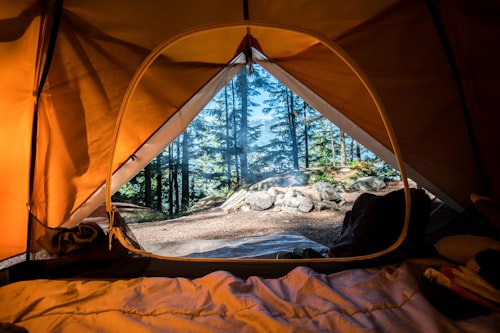
When visitors stay in Mankulam, dinner is often cooked over a fire. Not as a performance — as a practical choice that happens to be the most flavourful way to cook. Food tastes different outdoors, at night, in a forest, after a day that was genuinely tiring. Mankulam provides all of the above.
🍃
On spices in Mankulam food: The cardamom, pepper, and ginger that appear in Mankulam cooking are not bought from a shop. They are grown on the same hillside where you are sitting. The difference in flavour between fresh-harvested spice and packaged spice from a supermarket is not subtle. Once you have tasted the difference, you will understand why people carry cardamom home from here.
Organic Spices of Mankulam

What this land grows — and has always grown

Idukki is known across India for its spices. Mankulam sits at the centre of that tradition. The cardamom, pepper, honey, and tea produced here are not organic by certification — they are organic by the way they have always been grown, in a forest ecosystem that does not need synthetic inputs to produce.

These are not specialty products designed for a premium market. They are what the families here grow for themselves — and have done so for generations before anyone started calling it organic.

🍯
Wild Forest Honey
Collected from rock hives deep inside the reserve forest. The bees here feed on cardamom flowers, wild blooms, and forest nectar — producing a honey that tastes nothing like commercially produced varieties. Raw, unfiltered, unheated. The people who collect it have been doing so for generations using the same methods.
🫚
Green Cardamom — Idukki's Finest
Mankulam sits inside the cardamom-growing heartland of Idukki — a district that produces some of the finest cardamom in the world. Grown in the shade of old forest trees, hand-picked at the right moment, naturally dried. The aroma is stronger and cleaner than anything mass-produced.
🍃
High Altitude Tea
Small-batch, single-estate tea from the highlands around Mankulam. Grown in the mist, picked by hand, processed carefully. The cup carries the altitude and the cold morning air it was grown in. There is no shortcut in tea that grows at this height — and none has been taken.
🌶️
Forest Black Pepper
Wild vine pepper grown on hillsides that have never seen synthetic fertiliser. Sun-dried on the hillside the way it has been done here for centuries. The heat and the aroma are both stronger and cleaner than commercially grown varieties. One of the most underrated products of this region.
Cardamom plantation Mankulam Idukki
Forest honey Mankulam
Tea plantation Mankulam Kerala
Best Time to Visit Mankulam

Every season shows you something different

Mankulam is a year-round destination — but the experience changes completely with the season. Here is an honest guide to what each one actually looks like.

☀️ Best Time
Winter
October to February
The forest is at its most accessible. Clear skies, cool mornings — sometimes cold enough for a jacket at dawn. The waterfalls are still strong from the retreating monsoon. Wildlife sightings are most frequent. The cardamom harvest is underway in October and November. This is when Mankulam is at its fullest.
Wildlife Active Waterfalls Flowing Cardamom Harvest Cool Mornings
🌸 Good to Visit
Summer
March to May
Warmer days but far fewer visitors. The forest is quieter than in peak season. Waterfalls run lower but trails are easier. The cardamom plantation walks are particularly good in April when the summer light comes through the forest cover. Good for anyone who prefers solitude over spectacle.
Fewer Visitors Easier Trails Plantation Walks Peaceful
🌧️ Plan Carefully
Monsoon
June to September
The forest comes completely alive. Every waterfall runs at full force. The green is deeper than any other time of year. But some trails close, some jeep routes become impassable, and the rain is constant and heavy. The monsoon Mankulam is spectacular — but only for those who genuinely embrace it rather than endure it.
Peak Waterfalls Deep Green Some Routes Close Heavy Rain
How To Reach Mankulam

Getting to Mankulam, Idukki

Mankulam is well connected by road from all major cities in Kerala. The nearest railway station is Kottayam or Ernakulam. The drive in — through the Idukki hills — is part of the experience.

✈️
From Kochi (Cochin Airport)
~140 km · 3.5 to 4 hours
Via NH 85 through Kothamangalam and Adimali. KSRTC buses run regularly from Ernakulam to Mankulam. Cab from the airport costs approximately ₹1,800 to ₹2,200 depending on vehicle type.
🚂
From Kottayam Railway Station
~100 km · 3 hours
Via Erattupetta and Mundakayam. Kottayam is the most convenient rail access point — well connected to Thiruvananthapuram, Chennai, and Bangalore. Private taxis are readily available at the station.
🛣️
From Munnar
~60 km · 2 hours
Via Adimali. An easy two-hour drive through tea and cardamom country. Mankulam and Munnar are very different experiences — many visitors combine both on the same trip. The two complement each other well.
🌿
From Thekkady / Kumily
~80 km · 2.5 hours
Via Kumily and Mundakayam. A scenic drive through the Cardamom Hills. Thekkady for the Periyar Lake and Mankulam for the raw forest — they serve different purposes and work well as a combined itinerary.

A note on the road: The drive into Mankulam through the Idukki hills is winding and beautiful. Allow extra travel time and avoid driving the forest sections after dark. The road narrows significantly on the final approach — this is not a warning, it is a feature. It means you are arriving somewhere that has not been widened for buses.

Why Mankulam

What makes this place different from every other destination in Kerala

Kerala has hundreds of tourist destinations. Almost all of them are beautiful. The question is not whether a place is beautiful — it is whether the experience of being there feels real. This is where Mankulam stands apart.

01
It hasn't been discovered yet — and that changes everything
No tourist infrastructure means no tourist behaviour. No one is performing Mankulam for visitors. The village exists independently of tourism. When you arrive, you are a guest — not a customer in a system built around you.
02
Five things together — not a single attraction
Mankulam is not famous for one thing. It is forest and village and organic produce and river trails and real cooking all in the same place. You cannot replicate that combination. Every element here is connected to every other element — that is what makes it irreplaceable.
03
The quiet is real — not created by noise cancellation
You can hear the river from the village. Mornings start with birds. A walk down the road means you are the only person on it. This is not manufactured calm — it is what happens when a place has not been overrun. It is the rarest thing in modern travel.
04
The forest is wild — not managed into something safe
Mankulam's forest has not been curated for visitors. The trails are real trails. The wildlife is real wildlife. The river crossings are real crossings. The experience of being in this forest is earned — not handed to you through a ticketed entry point.
05
The food comes from here — not from a supply chain
The cardamom in your tea was harvested nearby. The honey on your table came from a forest hive that someone climbed a rock face to reach. The pepper in your food grew on a vine on that hillside. This kind of provenance is not claimed — it is visible.
06
It is a Kerala that most Kerala tourists have never seen
Kerala tourism is largely built around a few famous names. Mankulam is not one of them — yet. The Kerala that existed before mass tourism, that still lives according to its own rhythms, that grows its own food and knows its own forest — that Kerala still exists here. It will not exist here indefinitely.

"Most people who come to Mankulam say the same thing when they leave — I did not know places like this still existed. That is the most honest description of Mankulam we have ever heard. And it comes from the guests, not from us."

— Heard from visitors, consistently, over the years
Visit Mankulam — Footer
Scroll to Top